Have you ever noticed your electronics acting up in a damp room? Moisture can sneak into your devices and cause damage over time.
You might wonder if a dehumidifier could be the simple solution to protect your valuable gadgets. You’ll discover how controlling humidity can extend the life of your electronics and what steps you can take right now to keep them safe.
Keep reading—you’ll be surprised at how easy it is to guard your devices from hidden harm.
How Moisture Affects Electronics
Electronics and moisture do not mix well. Moisture in the air can harm electronic devices. Tiny water droplets settle inside gadgets, causing trouble. This can lead to malfunctions and shorten the device’s life. Understanding how moisture affects electronics helps prevent damage and keeps them working longer.
Common Damage From Humidity
Humidity causes corrosion on metal parts inside electronics. Corrosion breaks circuits and stops devices from working. Moisture can cause short circuits, leading to sudden device failure. It also damages batteries and slows performance. Over time, humidity can warp plastic and other materials, affecting device structure.
Signs Of Moisture Issues
Look for foggy screens or unusual condensation inside devices. Strange smells, like damp or moldy odors, may appear. Devices might feel warm or hot even without heavy use. Buttons can become sticky or unresponsive. Unexpected shutdowns or slow operation often signal moisture problems.
Role Of Dehumidifiers In Electronics Care
Dehumidifiers play a key role in caring for electronics. They control the moisture in the air. Moisture can damage electronic devices over time. Using a dehumidifier helps keep electronics safe and working well.
Reducing Corrosion Risks
Electronics contain metal parts that can rust. High humidity causes these parts to corrode faster. A dehumidifier lowers humidity levels. This slows down the rusting process. It protects the metal components inside devices. Reducing corrosion means electronics last longer.
Preventing Mold And Mildew
Mold and mildew grow in damp places. They can form inside electronic devices too. This growth can harm circuit boards and wiring. Dehumidifiers remove extra moisture from the air. This stops mold and mildew from developing. Keeping devices dry keeps them safe and clean.
Maintaining Optimal Storage Conditions
Storing electronics in dry places is best. Dehumidifiers create a stable, dry environment. They prevent moisture build-up during storage. This protects sensitive parts from damage. Good storage conditions extend the life of electronics. Dehumidifiers help keep these conditions steady.
Choosing The Right Dehumidifier
Choosing the right dehumidifier is key to protecting your electronics from moisture damage. Not all dehumidifiers work the same. Picking the right size and features makes a big difference in keeping your devices safe.
Capacity And Size Considerations
Start by measuring the room where you will place the dehumidifier. Small rooms need smaller units. Large rooms require bigger capacity models. A dehumidifier with the wrong size will not control humidity well. Check the product’s pint capacity. This tells you how much water the unit removes each day. Choose a capacity that matches your space for best results.
Energy Efficiency Factors
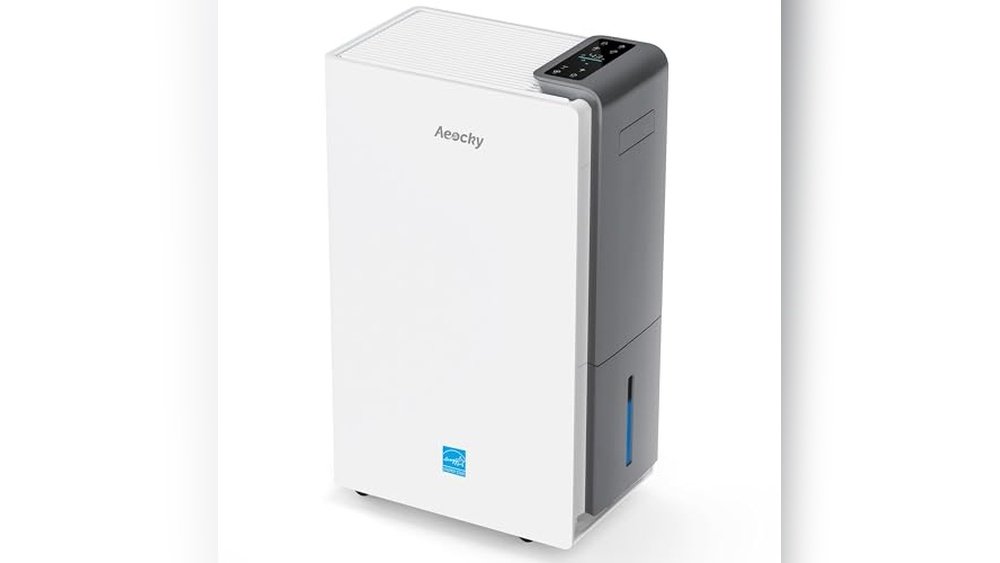
Electricity costs can add up with a dehumidifier running often. Look for models with energy-saving features. Energy Star certified units use less power. Some have automatic shut-off when the desired humidity is reached. This saves energy and lowers bills. Efficient units protect electronics without wasting electricity.
Features To Look For
Some features improve ease of use and effectiveness. A built-in humidistat lets you set the exact humidity level. Continuous drainage options prevent frequent emptying of water tanks. Portable designs with wheels help move the unit easily. Quiet operation is good for bedrooms or offices. These features make managing moisture simpler and more convenient.

Placement Tips For Dehumidifiers
Placing a dehumidifier correctly plays a big role in protecting your electronics. The right spot helps remove moisture from the air. This stops damage like rust, corrosion, and short circuits. Careful placement also makes the dehumidifier work better and last longer.
Ideal Locations For Electronics
Keep electronics off the floor. Place them on shelves or desks. Avoid basements or damp rooms. These areas hold more moisture. Choose dry rooms with good airflow instead. Make sure the dehumidifier is close to your devices. This keeps humidity low right where it matters most.
Avoiding Common Mistakes
Do not block the dehumidifier’s air vents. This lowers its efficiency. Avoid placing it near windows or doors. Outside air changes humidity inside. Keep it away from heat sources like heaters. Heat can damage the dehumidifier and electronics. Empty the water tank regularly. A full tank stops the dehumidifier from working.
Additional Tips For Electronics Preservation
Protecting electronics goes beyond just using a dehumidifier. There are simple actions that extend the life of your devices. Small steps help prevent damage from dust, moisture, and wear.
Proper Cleaning And Maintenance
Clean electronics regularly to avoid dust buildup. Use soft, dry cloths to wipe screens and surfaces. Avoid harsh chemicals that can damage components. Check cables and plugs for signs of wear. Replace damaged parts quickly to keep devices safe.
Using Protective Enclosures
Store sensitive electronics in protective cases or boxes. Choose enclosures that block moisture and dust. Plastic or metal covers work well for many devices. Keep electronics off the floor to avoid spills or flooding. Proper storage limits exposure to harmful elements.
Monitoring Humidity Levels
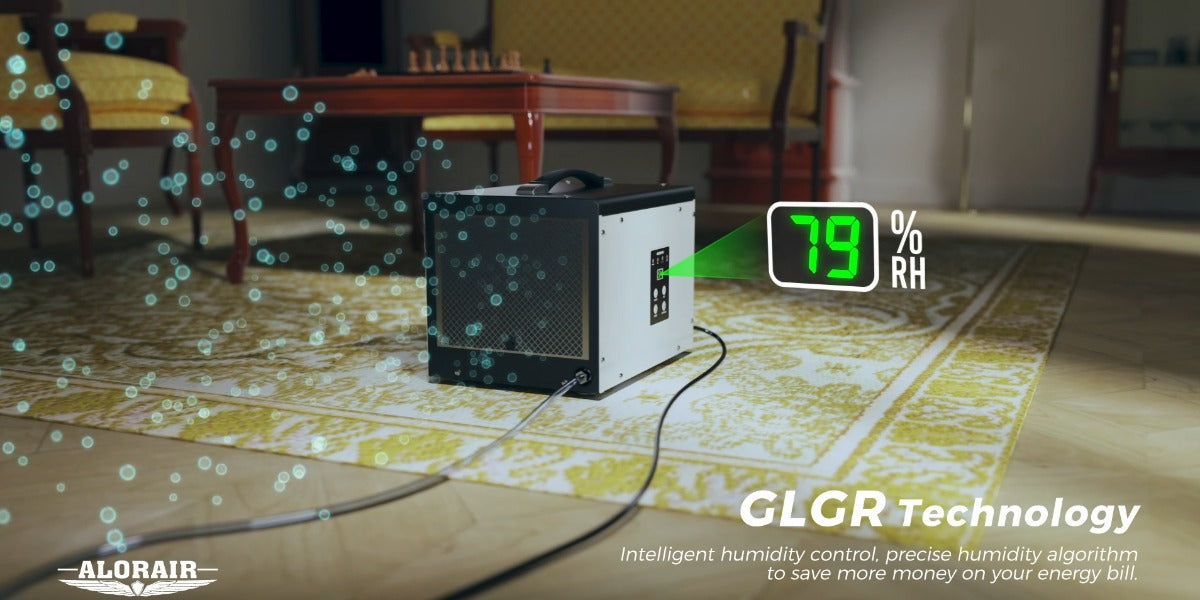
Keep track of the room’s humidity using a hygrometer. Ideal humidity for electronics stays between 30% and 50%. Use a dehumidifier to lower moisture in damp spaces. Consistent humidity control helps prevent corrosion and short circuits. Monitoring protects devices from unseen damage.

Frequently Asked Questions
Can A Dehumidifier Protect Electronic Devices From Moisture?
Yes, a dehumidifier reduces indoor humidity, preventing moisture buildup. This protects electronics from corrosion and short circuits, extending their lifespan effectively.
How Does Humidity Damage Electronic Gadgets?
High humidity causes condensation inside devices, leading to corrosion and electrical shorts. This damages components and reduces the device’s performance and longevity.
What Humidity Level Is Ideal For Electronics Storage?
Maintaining 30-50% relative humidity is ideal. This range prevents moisture damage while avoiding overly dry conditions that can cause static electricity.
Can A Dehumidifier Prevent Mold On Electronics?
Yes, by lowering humidity, dehumidifiers reduce mold growth risk on and inside electronics. Mold can cause physical and functional damage to devices.
Conclusion
A dehumidifier can protect your electronics from moisture damage. It keeps the air dry and reduces the risk of corrosion. Electronics last longer in a dry environment. This simple device helps avoid costly repairs or replacements. Using a dehumidifier is easy and effective.
It is a smart choice for homes or offices with high humidity. Protect your gadgets by controlling moisture levels today. Small steps make a big difference in preserving electronics.