Have you ever walked into a room that felt stuffy and smelled a bit off? You might wonder if a dehumidifier could help clear the air.
If you’ve been asking yourself, “Do dehumidifiers remove odors? ” you’re not alone. Understanding how these devices work can change the way you tackle unpleasant smells in your home. Keep reading to discover how a dehumidifier affects odors and whether it’s the right solution for your space.

How Dehumidifiers Affect Odors
Dehumidifiers help control moisture in the air. This can change how odors develop and stay inside your home. Understanding how these devices affect smells can help you manage indoor air better.
Removing excess moisture can reduce some odors. But dehumidifiers do not clean the air like filters. Knowing their role in odor control is key to using them well.
Role Of Moisture In Odor Formation
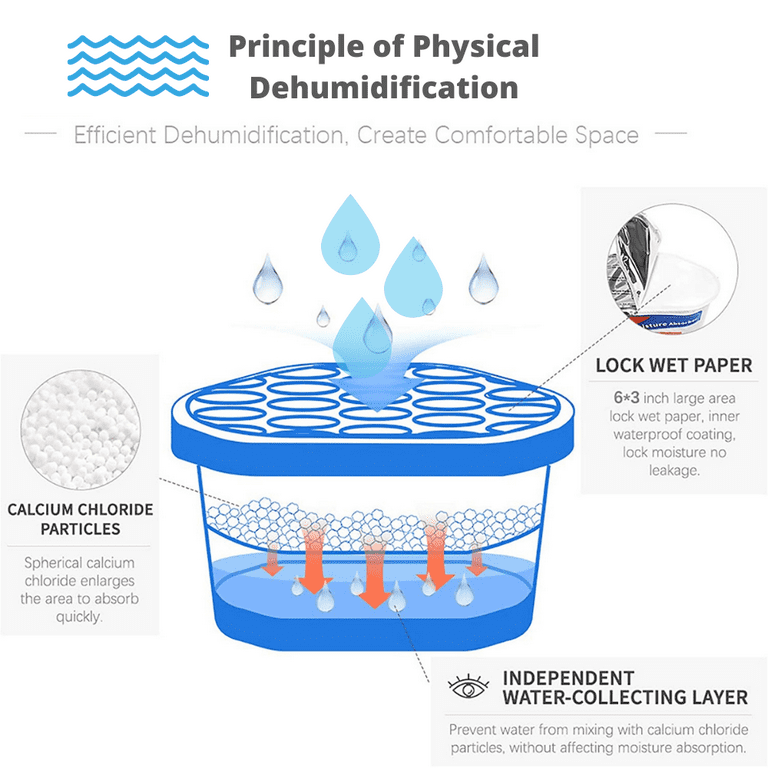
Moisture helps mold and mildew grow. These fungi cause musty, bad smells. Damp rooms often have stronger odors because of this growth.
Wet materials like carpets and walls keep odors trapped. Moist air lets bacteria multiply. Bacteria also produce unpleasant smells.
Lowering moisture stops mold and bacteria from growing fast. This reduces the cause of many odors over time.
Dehumidifiers And Air Quality
Dehumidifiers lower the humidity in rooms. This makes the air less friendly for odor-causing microbes. Dry air feels fresher and cleaner.
Some odors fade when moisture is cut. This can improve comfort indoors. The air feels lighter and less sticky.
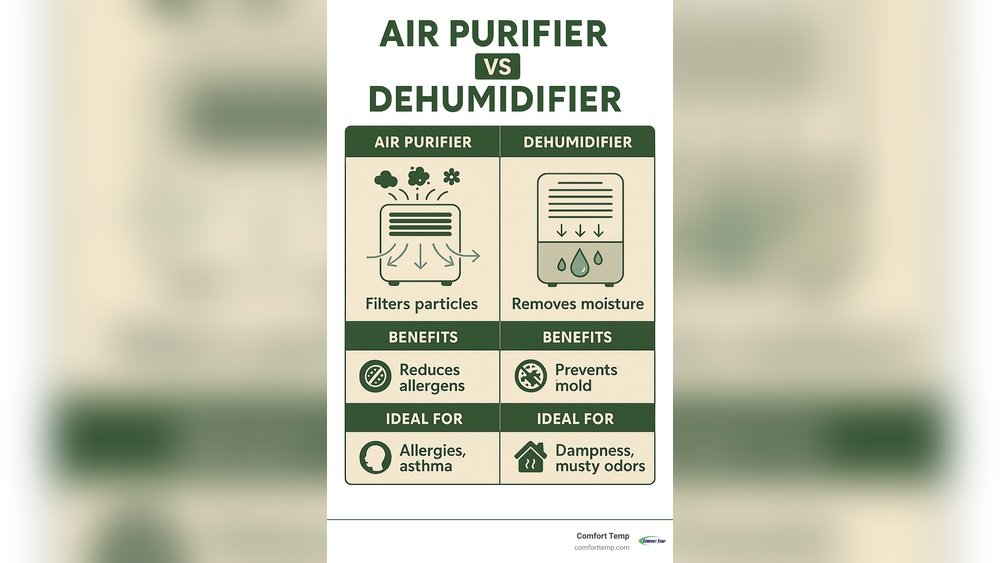
Dehumidifiers do not remove dust or smoke particles. They only reduce moisture. Air purifiers are needed for those pollutants.
Limitations In Odor Removal
Dehumidifiers cannot remove all odors. They do not filter the air like air cleaners. Strong smells from cooking or pets stay without other help.
Odors from chemicals or smoke need special filters. Dehumidifiers focus on moisture, not particles or gases. Using a dehumidifier alone may not solve all odor problems.
Cleaning surfaces and using proper ventilation are still important. Dehumidifiers help but do not replace regular cleaning.

Common Sources Of Indoor Odors
Indoor odors can make your home feel less comfortable. They come from many common sources. Identifying these sources helps you manage and reduce unpleasant smells. Understanding where odors come from is the first step to fresh air.
Mold And Mildew
Mold and mildew grow in damp places. Bathrooms, basements, and kitchens often have high moisture. These fungi produce a musty smell that is hard to ignore. They can also cause health issues. Removing moisture helps prevent mold growth and reduces odors.
Pet Smells
Pets bring joy but also odors. Their fur, skin oils, and accidents can cause smells. Even clean pets leave a scent in carpets and furniture. Regular cleaning and airing out rooms help control pet odors. Good ventilation is key to fresh indoor air.
Cooking And Smoke Odors
Cooking produces strong smells from spices, oils, and smoke. Some foods leave lingering odors in the kitchen and nearby rooms. Smoke from cigarettes or fireplaces also adds to indoor odors. Using exhaust fans and opening windows reduces these smells quickly.
Choosing The Right Dehumidifier
Choosing the right dehumidifier can make a big difference in removing odors from your home. Not all dehumidifiers work the same. Picking the best one depends on your room size, the features you need, and how you care for it. This guide helps you find the perfect fit for your space and needs.
Capacity And Room Size
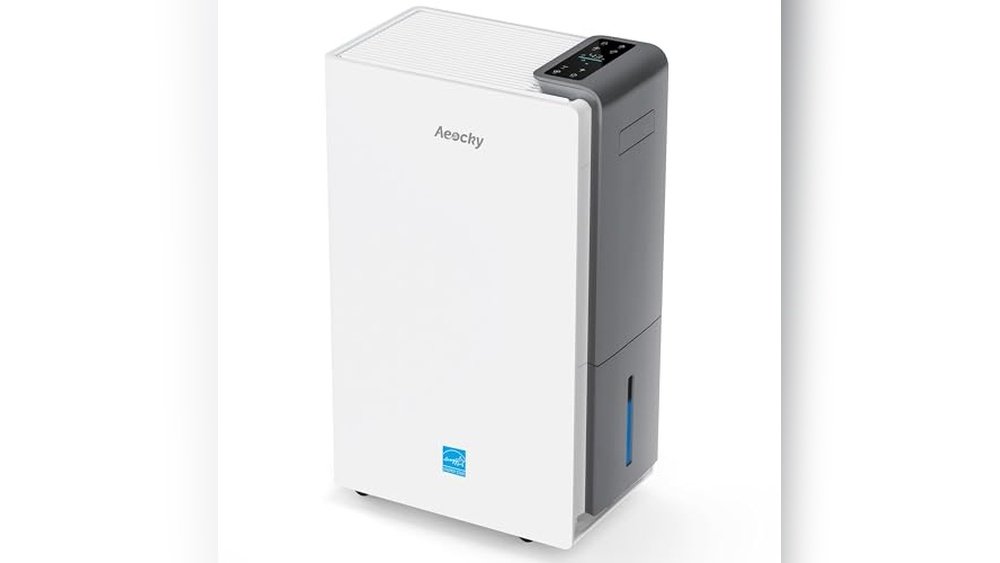
Dehumidifiers come in different sizes and capacities. Small units work well in bedrooms or bathrooms. Large models suit basements or big living rooms. Check the square footage of your room before buying. A unit too small will not remove enough moisture. Too large can waste energy and money. Choose a dehumidifier that matches your room size for best results.
Features That Help With Odors
Some dehumidifiers have extra filters to reduce smells. Carbon or charcoal filters trap bad odors from the air. Others have air purifiers built in. These features improve air quality while lowering humidity. Look for models with washable or replaceable filters. This keeps the air fresh and your unit working well.
Maintenance Tips
Keep your dehumidifier clean to avoid odor problems. Empty the water tank daily or use a model with a drain hose. Clean the filters regularly to stop mold and bacteria growth. Wipe the unit’s surface to remove dust. Proper care helps your dehumidifier last longer and work better at removing odors.
Complementary Methods To Freshen Air
Dehumidifiers help reduce moisture, but they do not remove all odors. To keep your air fresh, combine them with other methods. These simple steps can improve air quality and reduce smells effectively.
Air Purifiers And Filters
Air purifiers trap dust, pollen, and smoke particles. They use filters like HEPA or activated carbon. These filters catch odor-causing particles and improve air quality. Running an air purifier alongside a dehumidifier helps keep the air clean and fresh.
Natural Odor Absorbers
Natural odor absorbers like baking soda and charcoal work well. Place bowls of baking soda in smelly rooms to absorb odors. Charcoal bags also soak up unwanted smells. These natural options are safe and easy to use around the home.
Regular Cleaning Practices
Cleaning removes dirt and bacteria that cause odors. Vacuum carpets and furniture often to reduce dust and pet smells. Wash curtains and bedding regularly to keep fabrics fresh. Clean floors and surfaces with mild cleaners to stop odors from lingering.
Preventing Odors Long-term
Preventing odors long-term requires more than just a dehumidifier. Controlling moisture is key, but other steps help keep your space fresh. A combination of good habits and smart tools stops smells before they start. This section explores ways to keep odors away for good.
Controlling Humidity Levels
High humidity creates a perfect home for mold and mildew. These cause musty, unpleasant odors. Use a dehumidifier to keep moisture between 30% and 50%. Check humidity levels regularly with a hygrometer. Avoid over-drying air, which can cause discomfort. Proper humidity control reduces odor-causing bacteria growth.
Ventilation Strategies
Fresh air helps remove stale odors. Open windows to let air flow when weather allows. Use exhaust fans in kitchens and bathrooms to clear moisture. Place fans near damp areas to increase circulation. Regular ventilation stops bad smells from settling in fabrics and walls.
Storage And Organization Tips
Clutter traps moisture and odors. Store items in breathable containers or bags. Avoid plastic covers that hold dampness. Keep closets and storage spaces clean and dry. Remove old or unused items that can cause smells. Organized spaces make it easier to spot and stop odor sources.
Frequently Asked Questions
Do Dehumidifiers Help Eliminate Household Odors?
Dehumidifiers reduce moisture that causes musty smells. While they don’t directly remove odors, lowering humidity helps prevent mold and mildew, which often cause bad smells.
Can Dehumidifiers Remove Smoke Odors From Rooms?
Dehumidifiers alone don’t remove smoke odors. However, by reducing humidity, they limit smoke particles’ clinginess, helping fresh air circulate better and reduce lingering smells.
How Do Dehumidifiers Affect Mold And Mildew Odors?
Dehumidifiers lower moisture, stopping mold and mildew growth. This prevents their distinctive odors, improving indoor air quality and keeping your space smelling fresher.
Should I Use A Dehumidifier For Pet Odors?
Dehumidifiers reduce moisture that worsens pet odors but don’t directly remove smells. Combining them with cleaning and ventilation provides the best odor control for pets.
Conclusion
Dehumidifiers help reduce moisture that causes bad smells. They do not remove all odors but make the air fresher. Using them with good cleaning can improve your home’s smell. Keep your space dry to stop mold and mildew growth. A dehumidifier works best in damp areas.
For strong odors, consider extra air purifiers or odor removers. Clean your dehumidifier regularly to keep it working well. Fresh air feels better and helps you stay healthy. Small steps make a big difference in your home’s comfort.


One Comment on “Do Dehumidifiers Remove Odors? Effective Tips to Freshen Your Space”