Have you noticed your skin feeling tight, flaky, or uncomfortable lately? If you use a dehumidifier at home, you might be wondering if it’s the cause.
Dehumidifiers help remove excess moisture from the air, but could they be drying out your skin too much? Understanding how a dehumidifier affects your skin can help you protect your natural glow and stay comfortable. Keep reading to find out if your dehumidifier is behind your dry skin—and what you can do about it.
How Dehumidifiers Work
Dehumidifiers help control the moisture in your home. They keep the air comfortable and stop problems from too much humidity. Understanding how they work can help you see if they affect your skin.
Moisture Removal Process
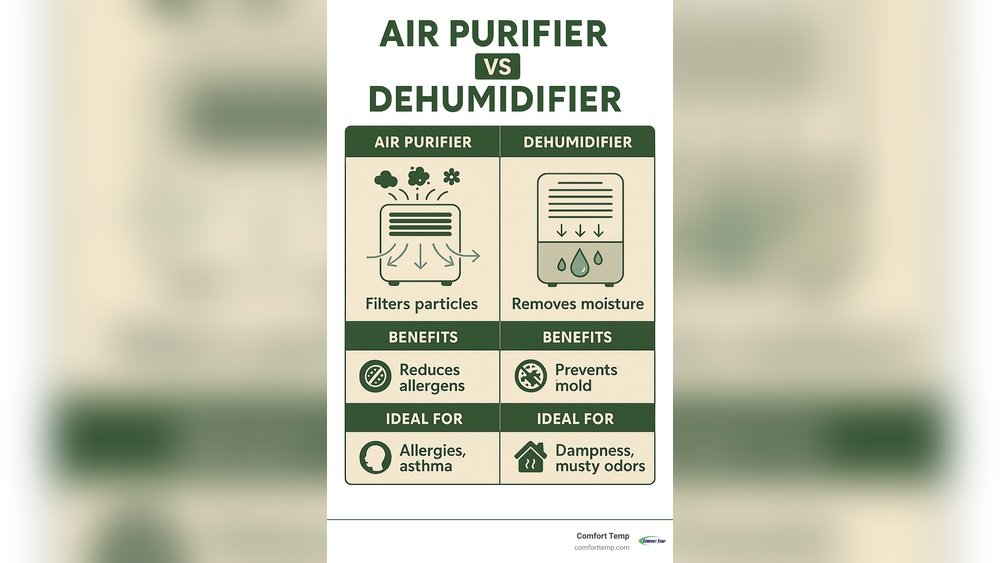
Dehumidifiers pull air inside the machine. Inside, a cold coil cools the air. Moisture in the air turns into water droplets on the coil. The water collects in a tank or drains out. Then, dry air goes back into the room.
Impact On Indoor Humidity Levels
The machine lowers humidity levels in your space. It keeps the air dry but not too dry. Proper use keeps humidity between 30% and 50%. This range is good for comfort and health. Too low humidity can cause dry skin and irritation.
Effects Of Low Humidity On Skin
Low humidity can have a strong impact on your skin. It removes moisture from the air, which can dry out your skin quickly. The skin needs a balance of moisture to stay soft and healthy. Without enough humidity, the skin may lose its natural oils and water.
This can make your skin feel tight, rough, and uncomfortable. Dry air affects all skin types, but people with sensitive or dry skin may feel the effects more. Using a dehumidifier in a very dry room can lower humidity too much, leading to dry skin issues.
Causes Of Dry Skin
Dry skin happens when the skin loses water or natural oils. Low humidity is a common cause because it pulls moisture from the skin. Cold weather and indoor heating can also dry out the air. Frequent washing or using harsh soaps can strip oils from the skin, making dryness worse.
Dehydration and certain skin conditions like eczema or psoriasis can add to dry skin problems. A dehumidifier that reduces humidity too much can speed up water loss from the skin’s surface.
Symptoms Linked To Dry Air
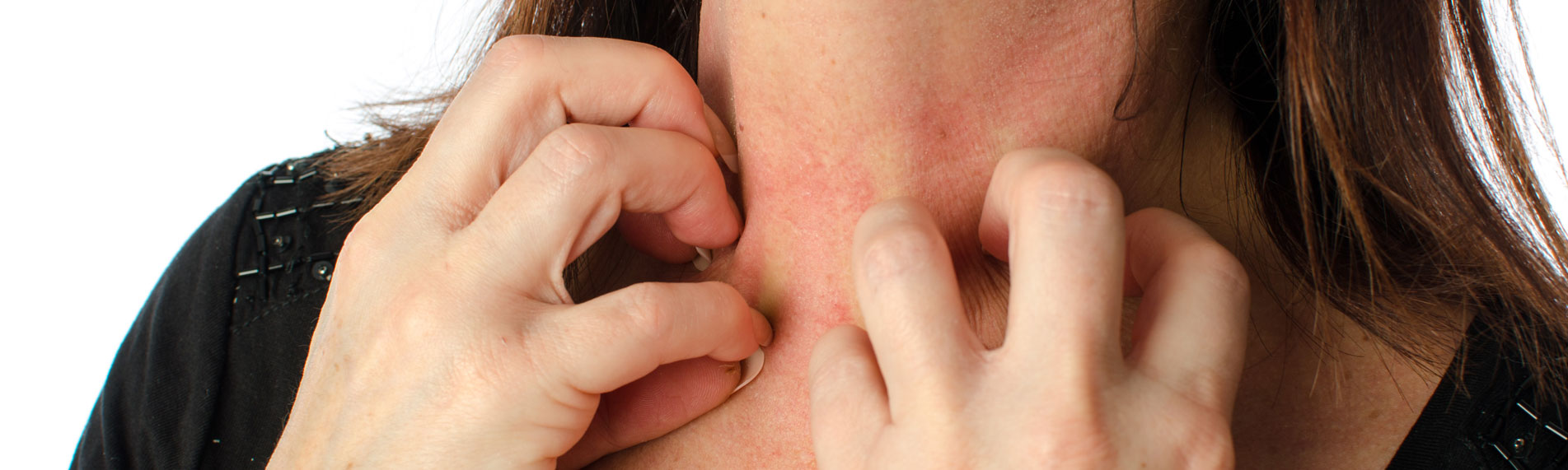
Dry air can cause several skin symptoms. You may notice rough, flaky patches or tightness on the skin. It can also cause itching or redness, especially on the hands, face, and lips. In some cases, skin may crack or peel, leading to discomfort or pain.
People with dry skin might see increased irritation or sensitivity. Small lines and dullness can appear due to lack of moisture. These symptoms signal that the skin barrier is not working well and needs more hydration.
Can Dehumidifiers Dry Your Skin?
Dehumidifiers help remove moisture from the air. This can make rooms feel less damp and reduce mold growth. But some people worry about dry skin. Can dehumidifiers actually cause your skin to become dry? The answer depends on several factors.
Connection Between Dehumidifiers And Skin Health
Dehumidifiers lower indoor humidity levels. When air becomes too dry, it can affect your skin. Dry air pulls moisture from the skin’s surface. This leads to dryness, itching, and irritation. People with sensitive skin feel this more. Using a dehumidifier in very dry climates may increase skin dryness. Balance is important to protect skin health.
Scientific Findings And Studies
Research shows that low humidity affects skin barrier function. Studies confirm dry air causes skin water loss. Dehumidifiers can contribute if humidity drops below 30%. Moisturizing helps reduce these effects. No direct evidence proves dehumidifiers alone cause serious skin problems. Proper use and hydration keep skin healthy. Science supports maintaining moderate humidity for skin comfort.
Factors Influencing Skin Dryness
Skin dryness can vary a lot depending on several factors. A dehumidifier lowers moisture in the air, which might affect your skin. But how dry your skin gets depends on a few key things. These factors help explain why some people feel drier skin than others when using a dehumidifier.
Understanding these factors can help you manage skin dryness better. It also helps you use your dehumidifier in a way that protects your skin’s natural moisture.
Duration Of Dehumidifier Use
The longer you run a dehumidifier, the more it reduces humidity. This can remove too much moisture from the air. Your skin may lose water faster in dry air. Short use usually does not cause much dryness. Long, continuous use might make your skin feel tight and flaky.
Room Size And Ventilation
Small rooms with poor ventilation dry out faster. Dehumidifiers work more strongly in tight spaces. Bigger rooms spread out dry air, lessening its effect on skin. Good airflow helps balance moisture levels. Without fresh air, dry air can build up and harm your skin.
Personal Skin Type
Some skin types are more prone to dryness. People with dry or sensitive skin feel changes quicker. Oily skin might handle dry air better. Everyone’s skin reacts differently to moisture loss. Knowing your skin type helps you adjust your dehumidifier use properly.
Preventing Dry Skin While Using Dehumidifiers
Using a dehumidifier can help reduce moisture in your home. This often makes the air feel more comfortable. But dry air can cause skin to lose its natural moisture. Taking steps to prevent dry skin is important while using these devices.
Simple changes can keep your skin soft and healthy. Small habits and careful control of humidity make a big difference.
Optimal Humidity Levels To Maintain
Keep indoor humidity between 30% and 50%. This range helps stop mold and dust mites. It also protects your skin from drying out. Use a hygrometer to check humidity levels. Adjust your dehumidifier settings as needed to stay in this range.
Skin Care Tips
Moisturize skin regularly using creams or lotions. Choose products with ingredients like glycerin or hyaluronic acid. Avoid hot showers and harsh soaps that remove natural oils. Drink plenty of water to keep skin hydrated from inside. Wear soft fabrics to avoid irritation on dry skin.
Use Of Humidifiers Alongside
In very dry areas, use a humidifier with your dehumidifier. It adds moisture when the air gets too dry. Balance both devices to keep air comfortable. Place the humidifier in rooms where skin feels dry. Monitor humidity to avoid making the air too damp.
Alternative Solutions For Moisture Control
Controlling moisture inside your home is important for comfort and health. Dehumidifiers help reduce dampness but can sometimes dry out your skin. There are other ways to manage moisture without causing dryness. These methods can keep the air balanced and your skin feeling good.
Natural Methods
Houseplants absorb moisture and improve air quality naturally. Open windows to let fresh air flow and reduce humidity. Using bowls of salt or charcoal can soak up extra moisture. These simple ways keep moisture under control without harsh effects.
Other Appliances
Air conditioners also reduce indoor humidity while cooling your space. Ventilation fans in kitchens and bathrooms help remove excess moisture. Humidifiers add moisture back if the air gets too dry. Choosing the right appliance keeps your home comfortable and your skin healthy.
Frequently Asked Questions
Can A Dehumidifier Cause Dry Skin?
Yes, a dehumidifier can cause dry skin by reducing indoor humidity levels. Low humidity dries out your skin’s natural moisture, leading to itchiness and flakiness. Using a humidifier or moisturizing regularly can help balance skin hydration when using a dehumidifier.
How Does Low Humidity Affect Skin Health?
Low humidity removes moisture from the skin’s surface. This causes dryness, irritation, and sometimes cracking. Skin loses its natural barrier, making it prone to sensitivity and infections. Maintaining balanced humidity protects your skin’s health.
Should I Use A Humidifier With A Dehumidifier?
Using a humidifier alongside a dehumidifier can help balance indoor moisture. It prevents excessive dryness caused by over-dehumidification. Monitor humidity levels and adjust devices to keep skin and air comfortable.
What Humidity Level Prevents Dry Skin Indoors?
Ideal indoor humidity to prevent dry skin is between 30% and 50%. Levels below 30% can dry out skin and mucous membranes. Use a hygrometer to monitor and maintain proper humidity.
Conclusion
Dehumidifiers can lower indoor moisture and may cause dry skin. Dry air pulls water from your skin, making it feel tight and itchy. Using a dehumidifier in a balanced way helps keep air comfortable. Drink plenty of water to stay hydrated.
Applying moisturizer can protect your skin from dryness. Choose a dehumidifier with adjustable settings for better control. Simple steps can prevent dry skin while keeping your home fresh. Balance is key to feeling good and staying healthy indoors.