Are you tired of waking up to foggy, wet windows every morning? Condensation on your windows isn’t just annoying—it can lead to mold, damage, and poor air quality in your home.
You might be wondering if a dehumidifier can solve this problem for good. The answer isn’t as simple as yes or no. Understanding how dehumidifiers work and how they affect the moisture in your home could save you time, money, and frustration.
Keep reading to discover if a dehumidifier is the right solution to keep your windows clear and your home healthier.

How Condensation Forms On Windows
Condensation appears on windows when warm air meets cold glass. The moisture in the air changes into water droplets. This happens because cold surfaces cannot hold as much moisture as warm air. The water then collects on the window surface. This often occurs in the winter or in rooms with high humidity.
Understanding why condensation happens helps in reducing it. Knowing the causes and effects of moisture indoors is important. This knowledge can guide you to keep your windows clear and dry.
Causes Of Window Condensation
Warm, moist air inside the house touches cold window glass. The air cools quickly and releases moisture as water droplets. Poor ventilation traps moisture indoors, raising humidity levels. Activities like cooking, showering, and drying clothes add moisture to the air. Single-pane windows and old frames often get colder, increasing condensation.
Effects Of Excess Moisture Indoors
Too much moisture can cause mold and mildew growth. These can harm your health and damage walls and furniture. It can also make paint peel and wood rot. Excess moisture lowers indoor air quality and causes unpleasant odors. Controlling moisture helps keep your home safe and comfortable.
Role Of Dehumidifiers In Moisture Control
Dehumidifiers play a key role in controlling moisture inside homes. They help reduce dampness that causes condensation on windows. Excess moisture in the air settles on cold window surfaces, forming water droplets. Removing this moisture stops condensation and protects windows from damage.
Using a dehumidifier improves air quality and keeps rooms dry. This makes living spaces more comfortable and prevents mold growth. Understanding how these devices work and their types helps choose the right one for moisture control.
How Dehumidifiers Work
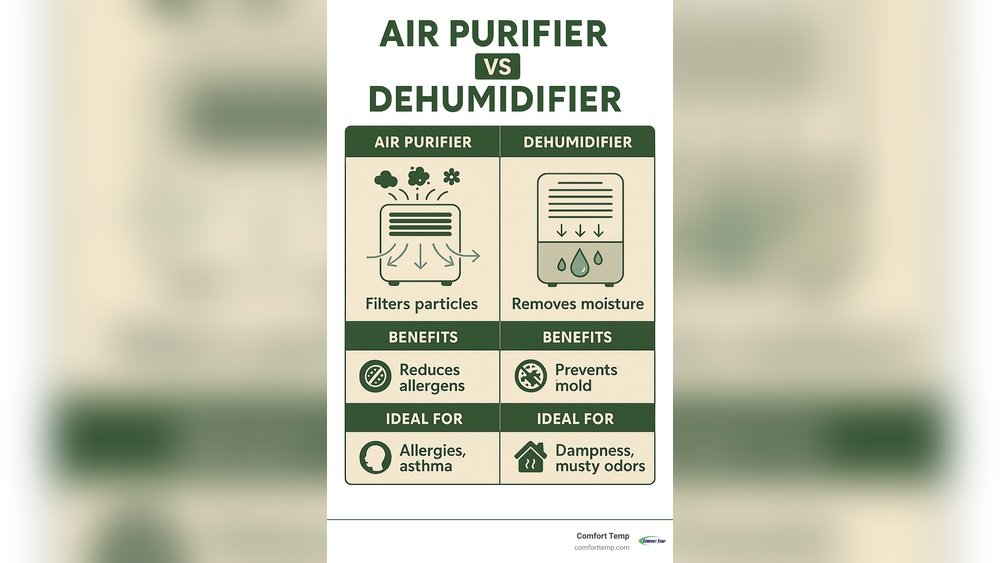
Dehumidifiers draw moist air from the room. The air passes over cold coils inside the machine. Moisture in the air condenses into water droplets on these coils. The collected water drains out or stores in a tank. The dry air is then released back into the room. This cycle repeats until the air reaches the desired dryness level.
By constantly removing moisture, dehumidifiers lower humidity. This stops water from gathering on windows and walls. The air feels fresher and less sticky. Dehumidifiers work best in spaces with high humidity or poor ventilation.
Types Of Dehumidifiers
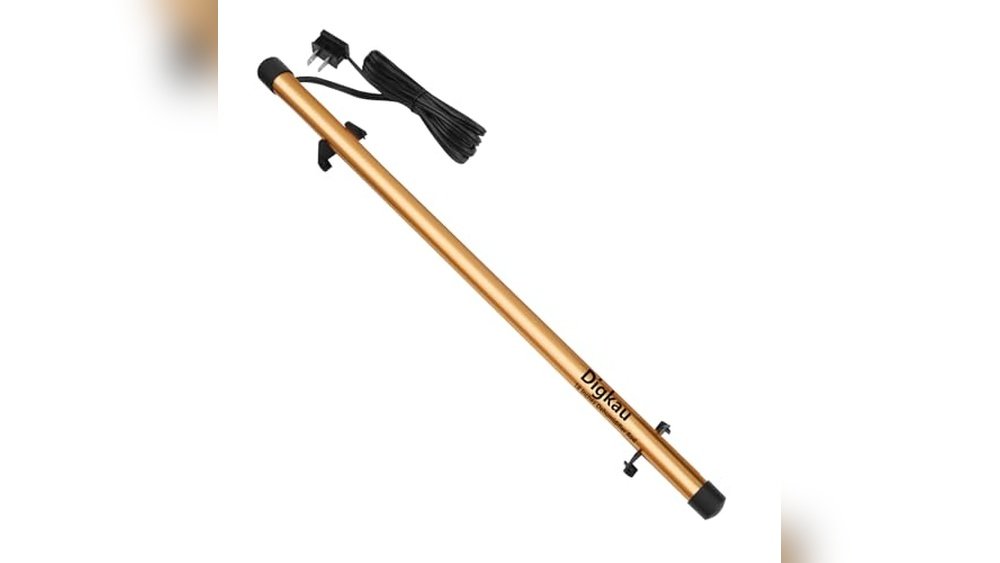
There are several types of dehumidifiers for different needs. Refrigerant dehumidifiers cool air to remove moisture. They work well in warm, humid places. Desiccant dehumidifiers use a drying material to absorb moisture. They are effective in cooler rooms. Some models combine both technologies for better results.
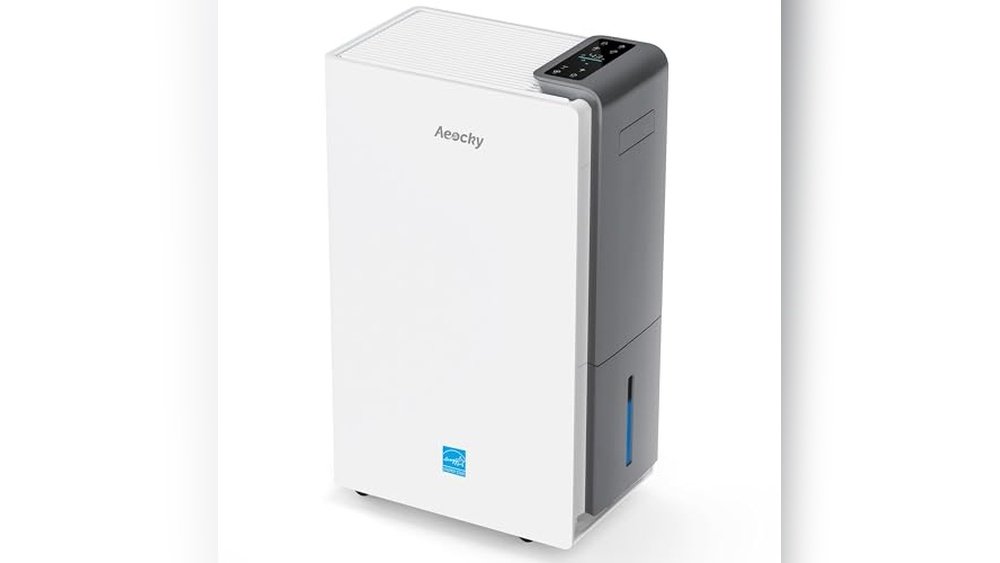
Portable dehumidifiers are easy to move between rooms. Whole-house dehumidifiers connect to HVAC systems. They control moisture throughout the entire home. Choosing the right type depends on room size, temperature, and humidity levels.
Can Dehumidifiers Stop Window Condensation?
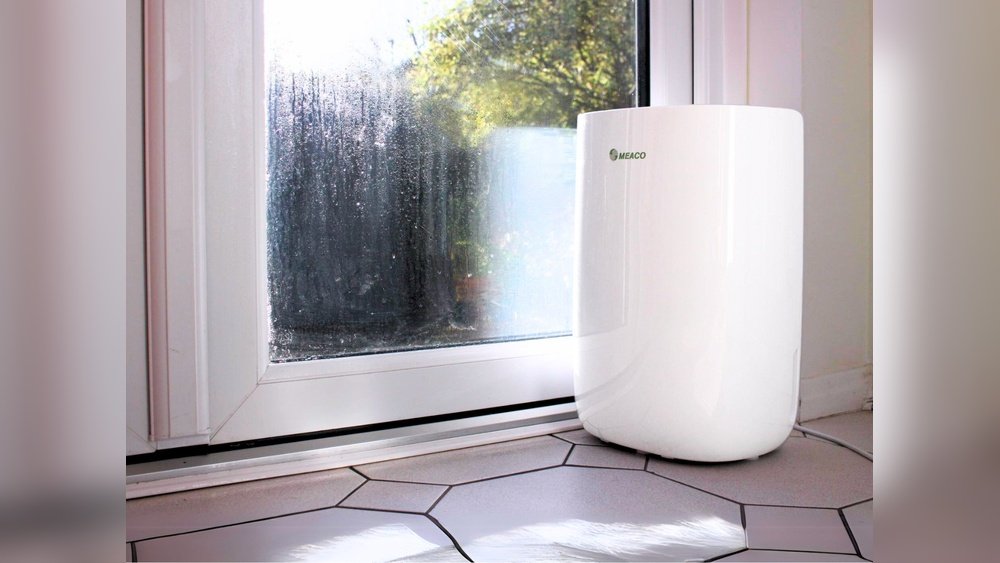
Can dehumidifiers stop window condensation? This question is common for many homeowners. Condensation happens when warm air meets cold window glass. Moisture in the air turns into water droplets on the glass. Dehumidifiers remove moisture from the air. This process can reduce the chance of condensation forming on windows.
Effectiveness In Reducing Indoor Humidity
Dehumidifiers lower indoor humidity levels. Less moisture in the air means less water to form on windows. They work well in rooms with high humidity, like basements or bathrooms. Running a dehumidifier helps keep the air dry. This reduces foggy or wet windows. The device pulls water from the air and collects it in a tank. This makes the indoor environment more comfortable and less damp.
Limitations And Considerations
Dehumidifiers alone may not fully stop window condensation. Cold windows still cause moisture to form. Poor insulation or ventilation can worsen the problem. Dehumidifiers need regular emptying and maintenance. They also use electricity, which adds to costs. Small units might not cover large rooms effectively. Using window insulation and ventilation helps improve results. Combining methods gives better protection against condensation.

Additional Methods To Prevent Window Condensation
Preventing window condensation requires more than just using a dehumidifier. Several other methods help reduce moisture and keep windows clear. These techniques work well with dehumidifiers to improve indoor air quality and comfort.
Improving Ventilation
Good ventilation lowers indoor humidity. Open windows or vents to let fresh air flow. Use exhaust fans in kitchens and bathrooms to remove moisture fast. Proper airflow stops moisture buildup on windows. It also helps keep the air fresh and healthy.
Using Window Insulation
Window insulation blocks cold air from touching warm indoor air. This prevents condensation from forming. Use plastic film kits or thermal curtains on windows. These materials create a barrier to reduce moisture buildup. Insulated windows keep your home warmer and drier.
Maintaining Indoor Temperature
Keep your home at a steady temperature to reduce condensation. Avoid sudden temperature drops near windows. Use heaters or thermostats to control indoor heat. Warm air holds more moisture, so stable heat helps prevent water droplets on glass. Consistent temperature improves comfort and stops foggy windows.
Best Practices For Managing Indoor Humidity
Managing indoor humidity is key to stopping window condensation. High moisture in the air causes water droplets to form on cold surfaces like windows. Controlling this moisture helps keep windows clear and prevents damage from mold or rot. Simple steps can keep humidity at a healthy level.
Using a dehumidifier is one way to remove excess moisture. Yet, it works best with other methods to control indoor humidity fully. Understanding the right balance and tools makes a big difference.
Monitoring Humidity Levels
Keep track of your home’s humidity with a hygrometer. This tool shows the exact moisture percentage in the air. Aim for indoor humidity between 30% and 50%. Too low can dry out your skin and wood. Too high leads to condensation and mold growth. Check levels daily during cold or wet seasons. Adjust your dehumidifier settings based on readings. This keeps moisture under control and windows dry.
Combining Dehumidifiers With Other Solutions
Dehumidifiers work best with ventilation. Open windows or use exhaust fans in kitchens and bathrooms. These areas produce a lot of moisture. Sealing leaks around windows stops cold air from entering. Cold air makes condensation worse. Use weatherstripping or caulk to seal gaps. Also, keep indoor plants to a minimum. Plants release moisture into the air. Together, these steps reduce indoor humidity and keep windows clear.
Frequently Asked Questions
How Do Dehumidifiers Reduce Window Condensation?
Dehumidifiers remove excess moisture from the air. This lowers indoor humidity, preventing water vapor from condensing on cold windows. Reduced condensation helps protect windows from mold and damage. Using a dehumidifier creates a drier, healthier indoor environment.
Can Dehumidifiers Eliminate Window Fog Completely?
Dehumidifiers significantly reduce window fog but may not eliminate it entirely. Factors like outdoor temperature and ventilation also affect condensation. Proper use of a dehumidifier combined with good airflow provides the best results in minimizing window fog.
Are Dehumidifiers Effective In Winter For Condensation?
Yes, dehumidifiers work well in winter by lowering indoor humidity. Cold window surfaces attract moisture, causing condensation. A dehumidifier helps maintain balanced humidity levels, reducing condensation risks and improving indoor comfort during colder months.
What Humidity Level Prevents Condensation On Windows?
Maintaining indoor humidity between 30% and 50% helps prevent window condensation. Dehumidifiers help achieve this ideal range by extracting excess moisture. Balanced humidity reduces condensation and promotes a healthier home environment.
Conclusion
Dehumidifiers help reduce moisture inside your home. Less moisture means less chance for condensation on windows. They work best in small, closed spaces. Good ventilation also helps keep windows dry. Using a dehumidifier alone may not solve all problems. Try combining it with other methods for best results.
Keep your home dry to protect windows and walls. Condensation can cause mold and damage if ignored. A dehumidifier is a helpful tool, not a full fix. Small steps make a big difference in home comfort.